SEEING YOU SEEING
A collaborative exhibition between Natalie Christensen and Jim Eyre
Bittners, Louisville, KY, 2025
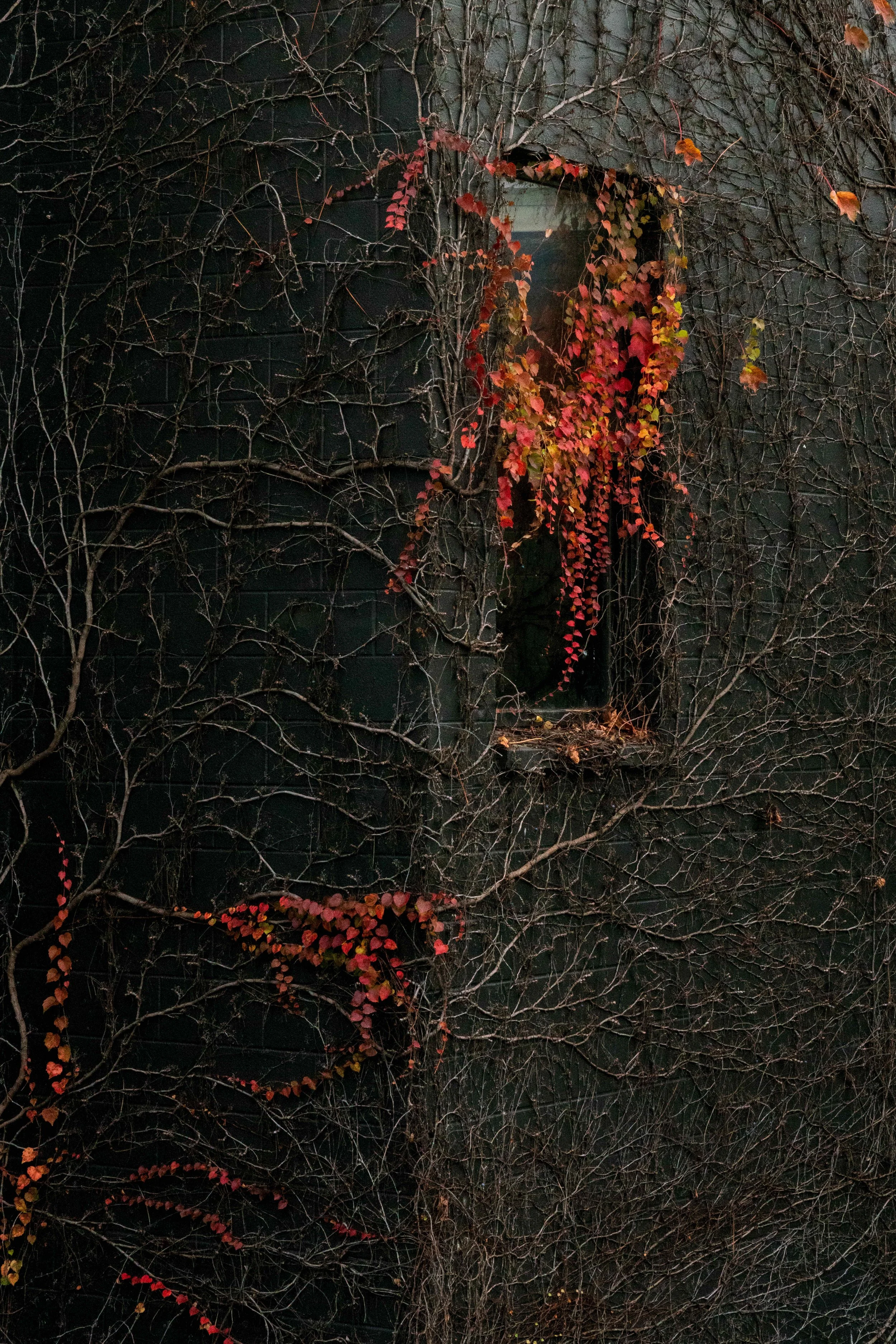
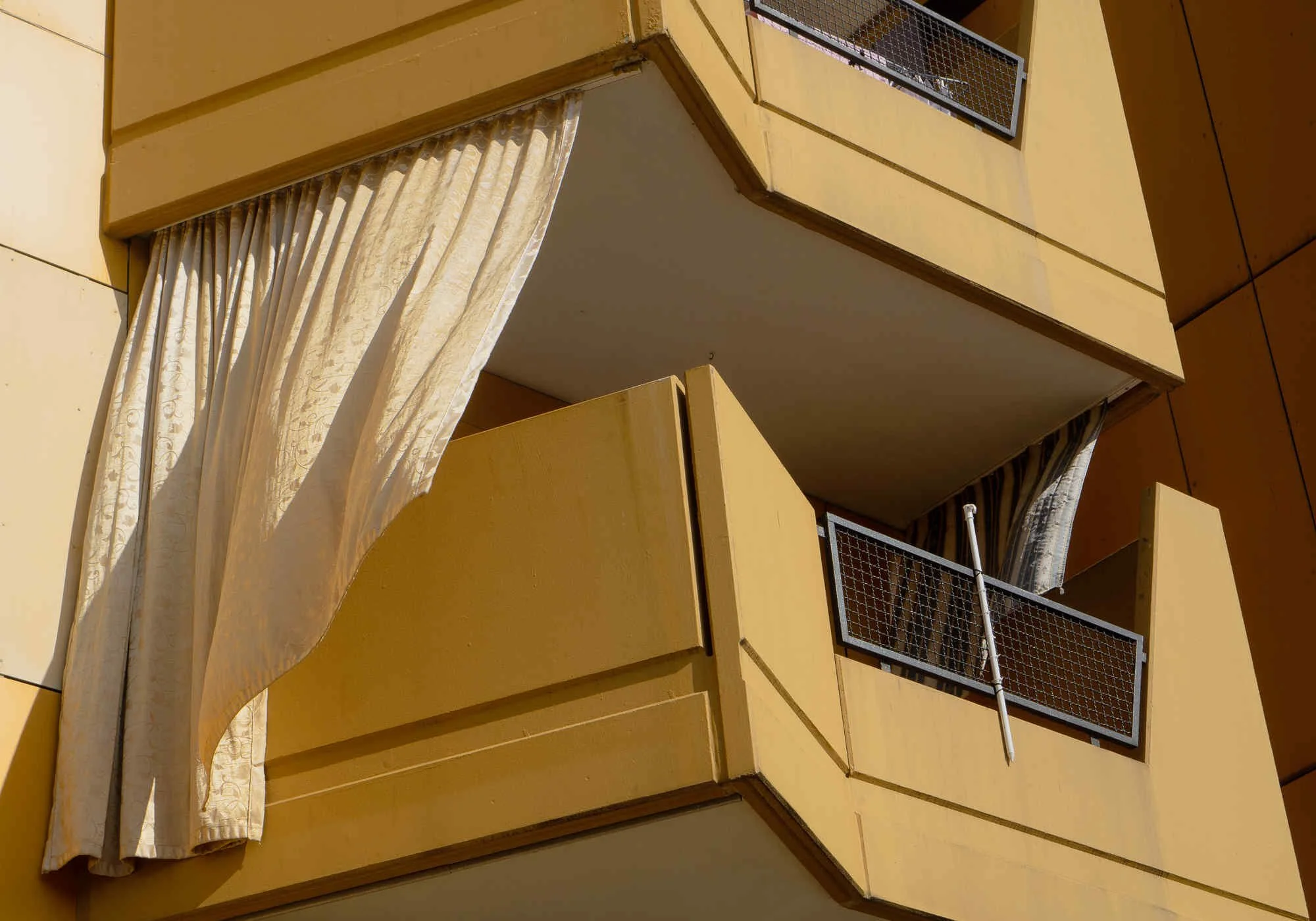
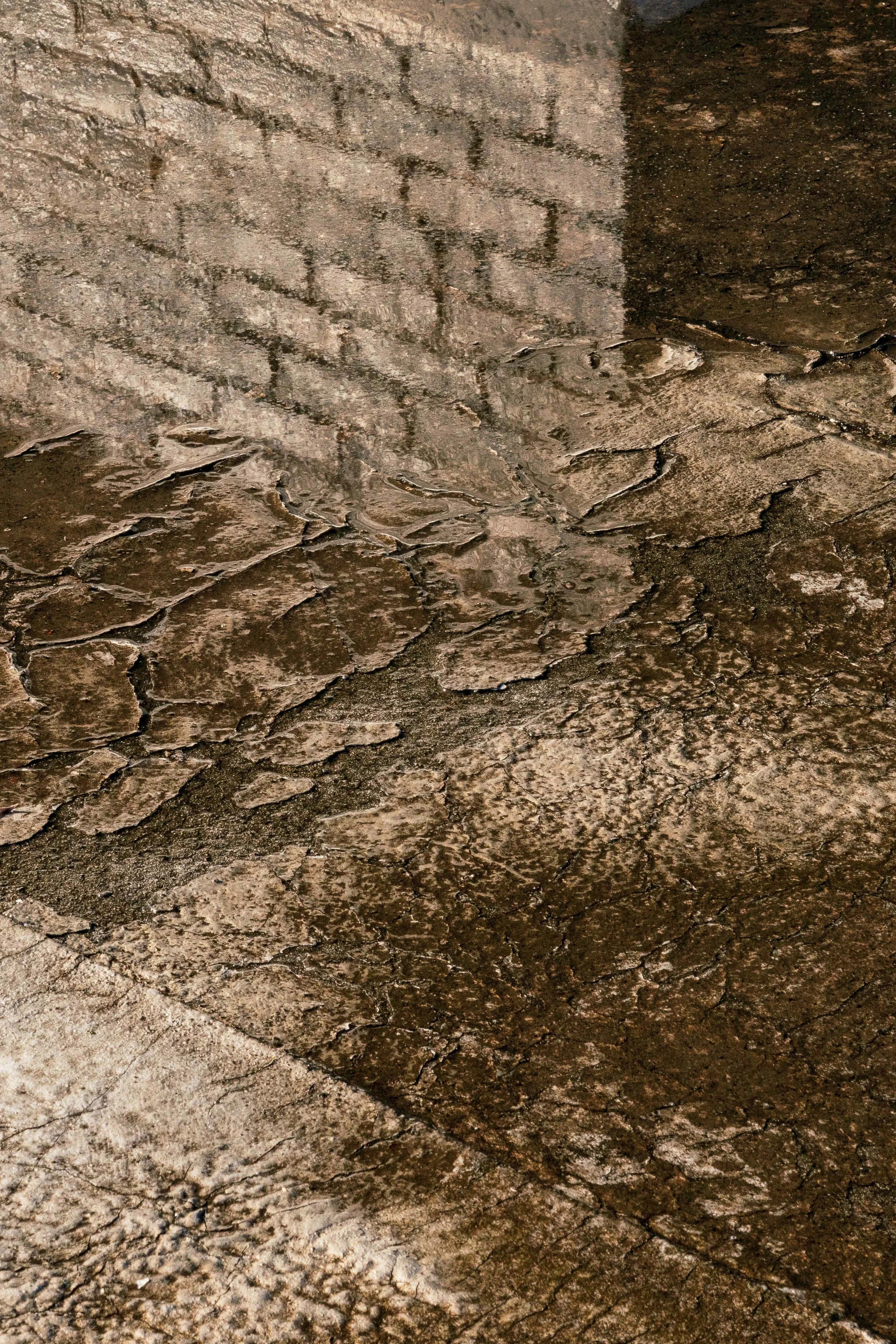
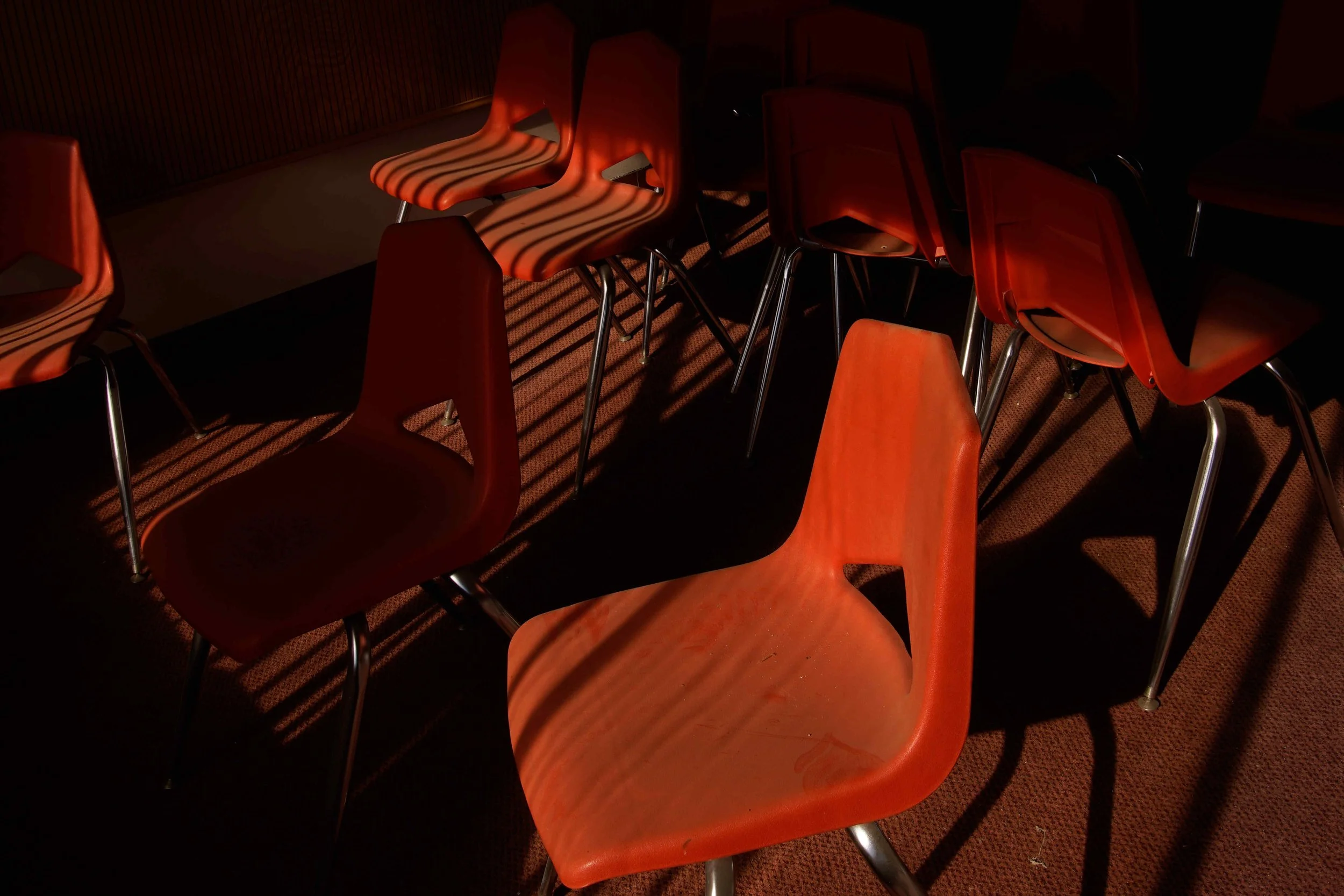
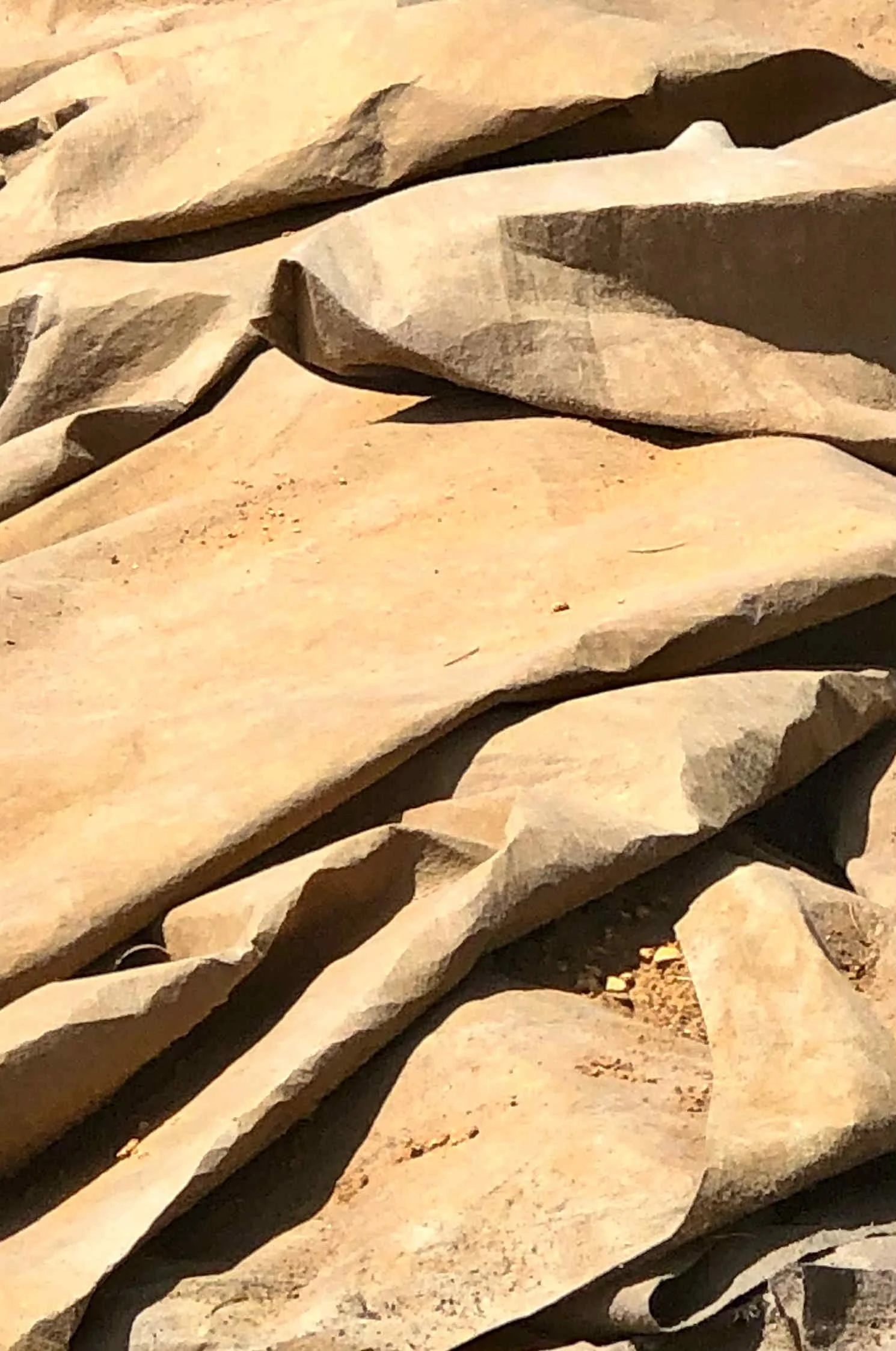
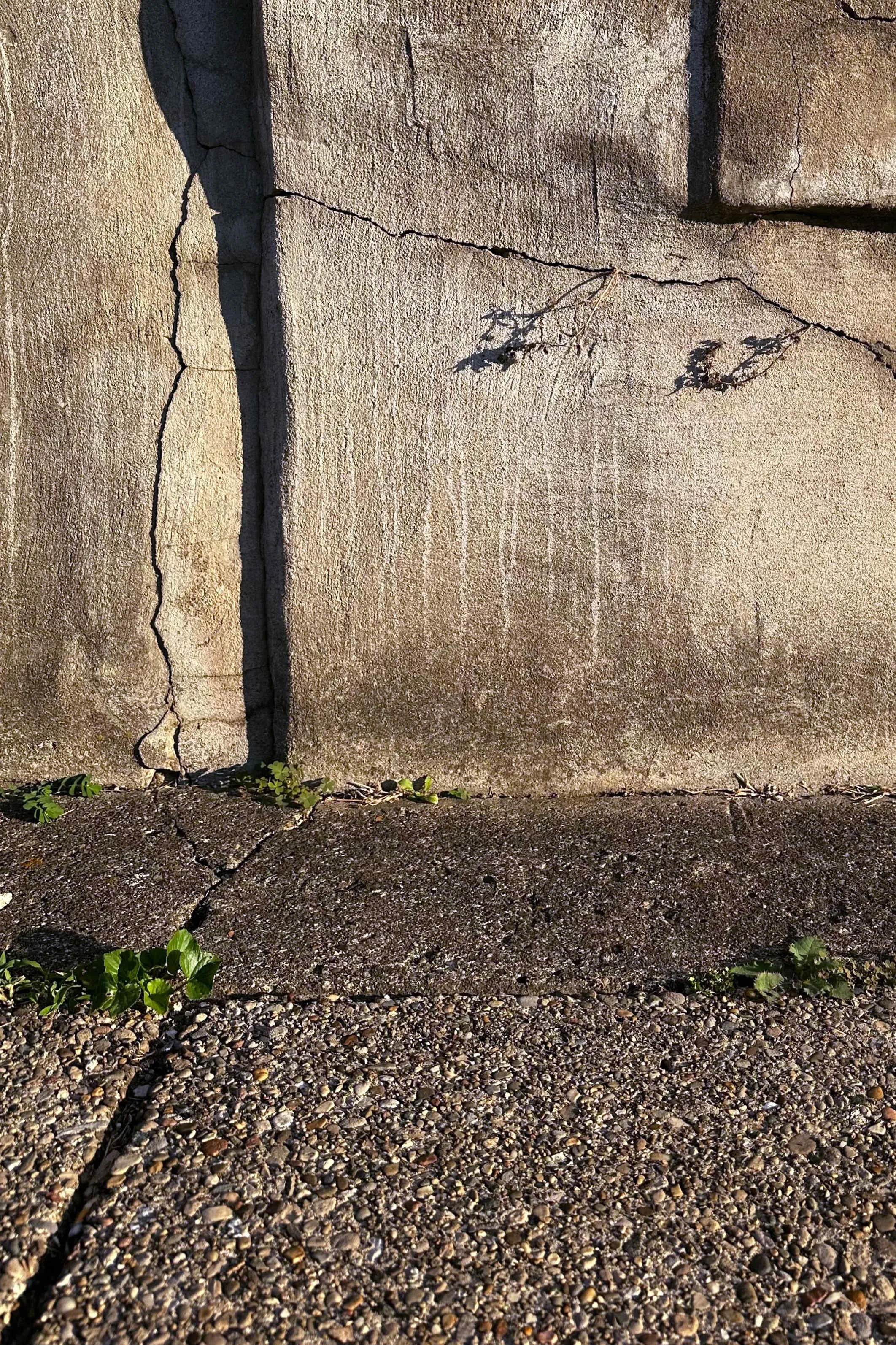
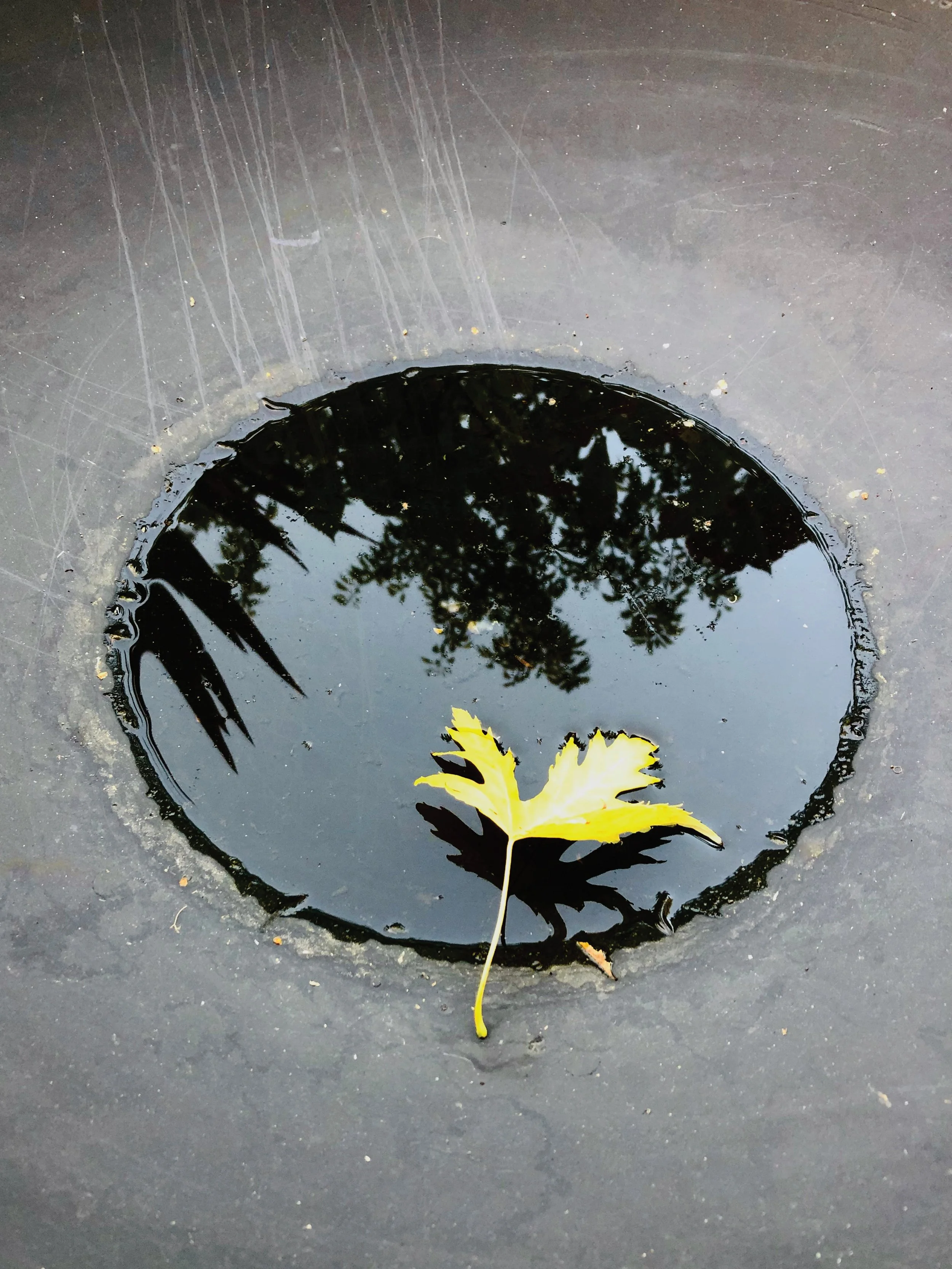
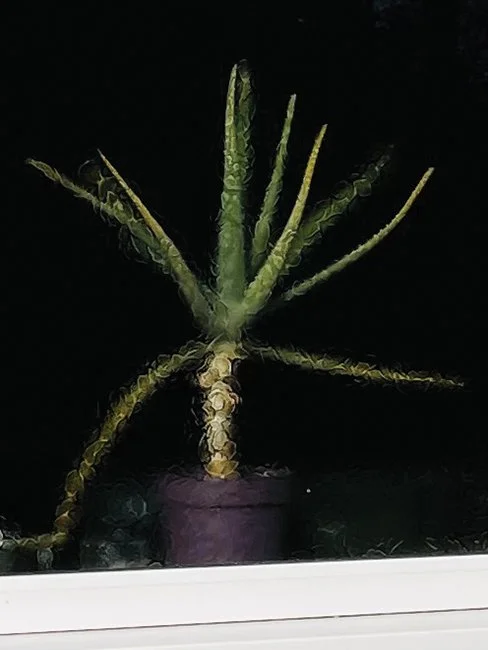
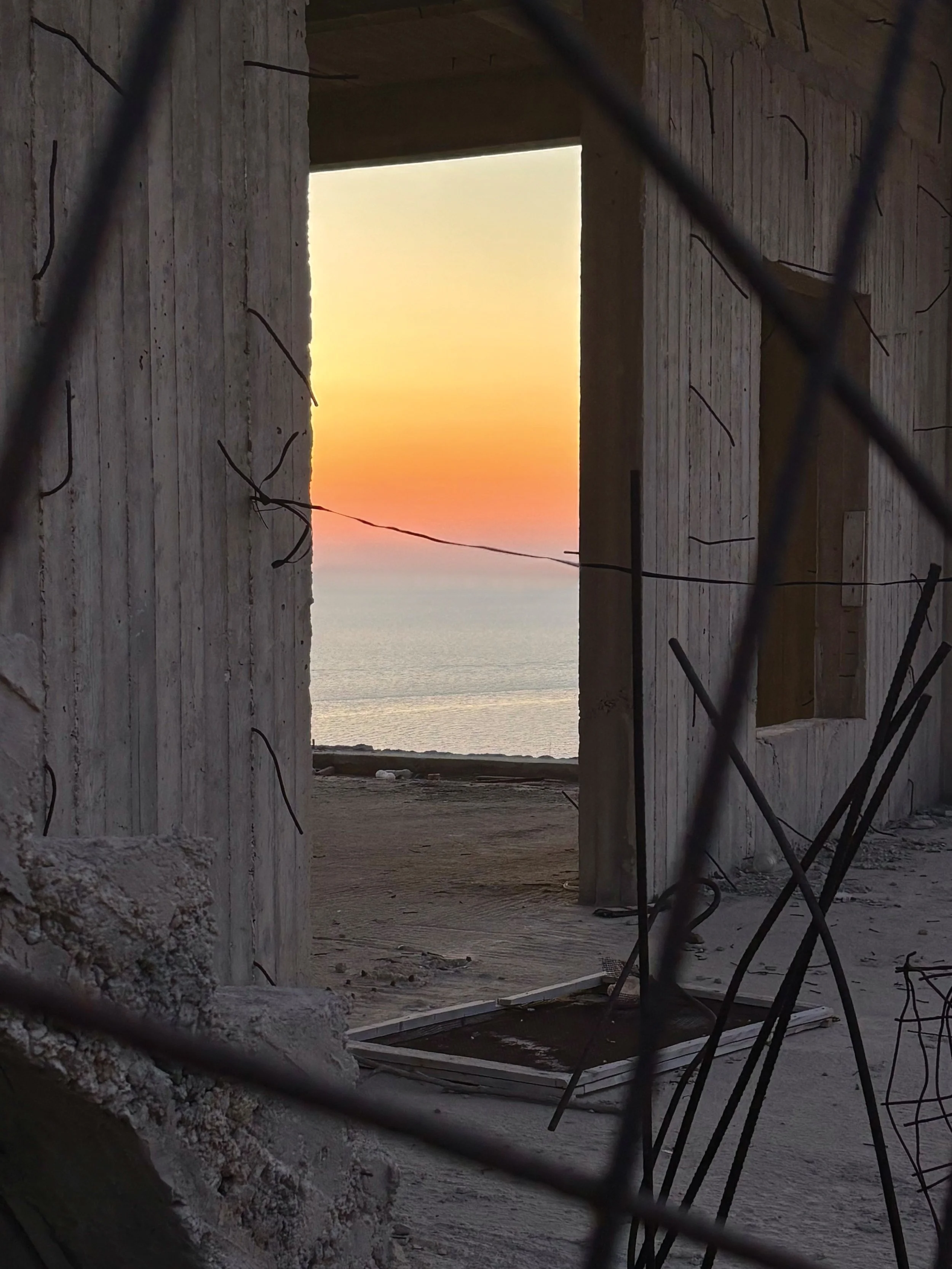
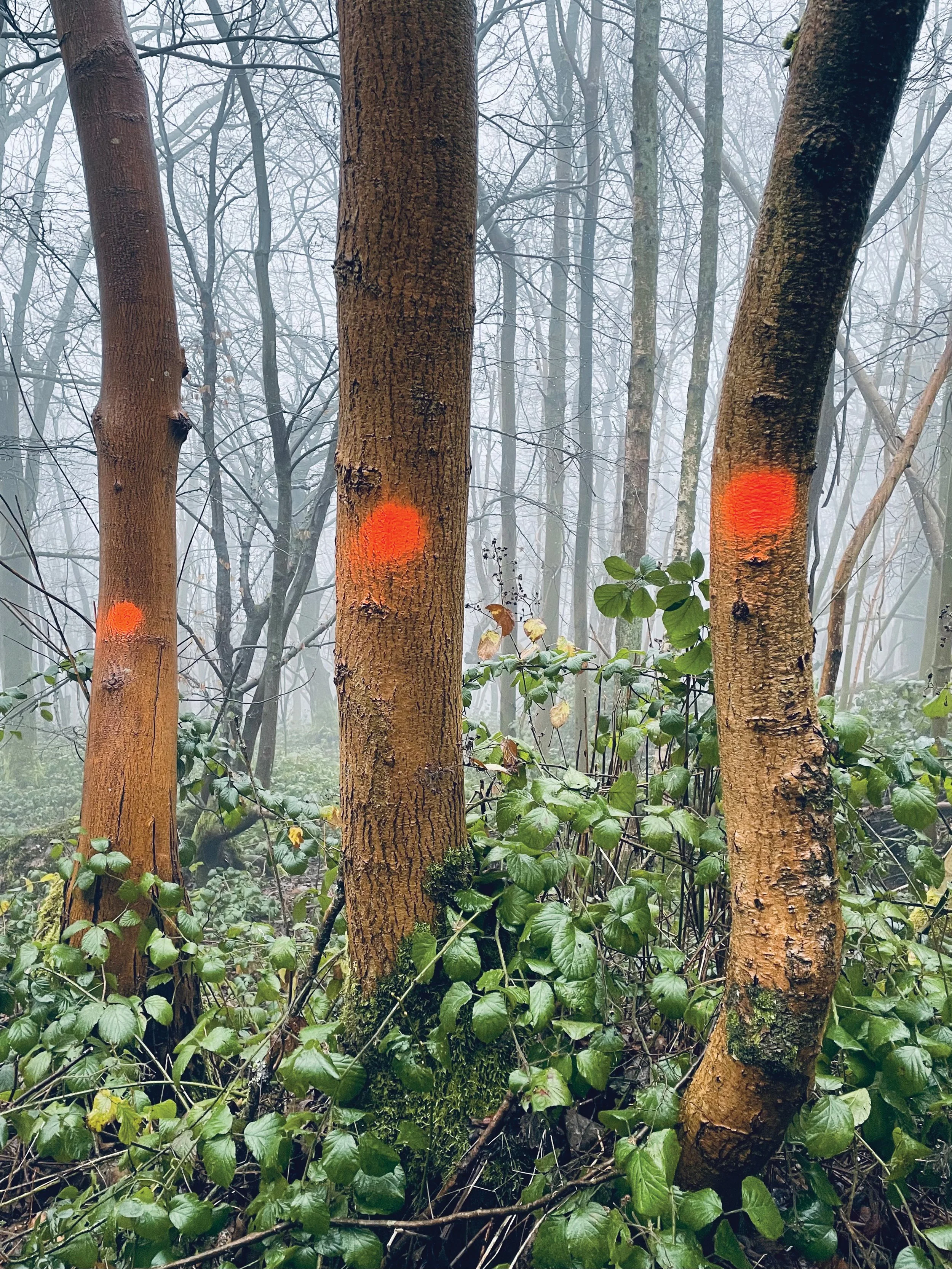
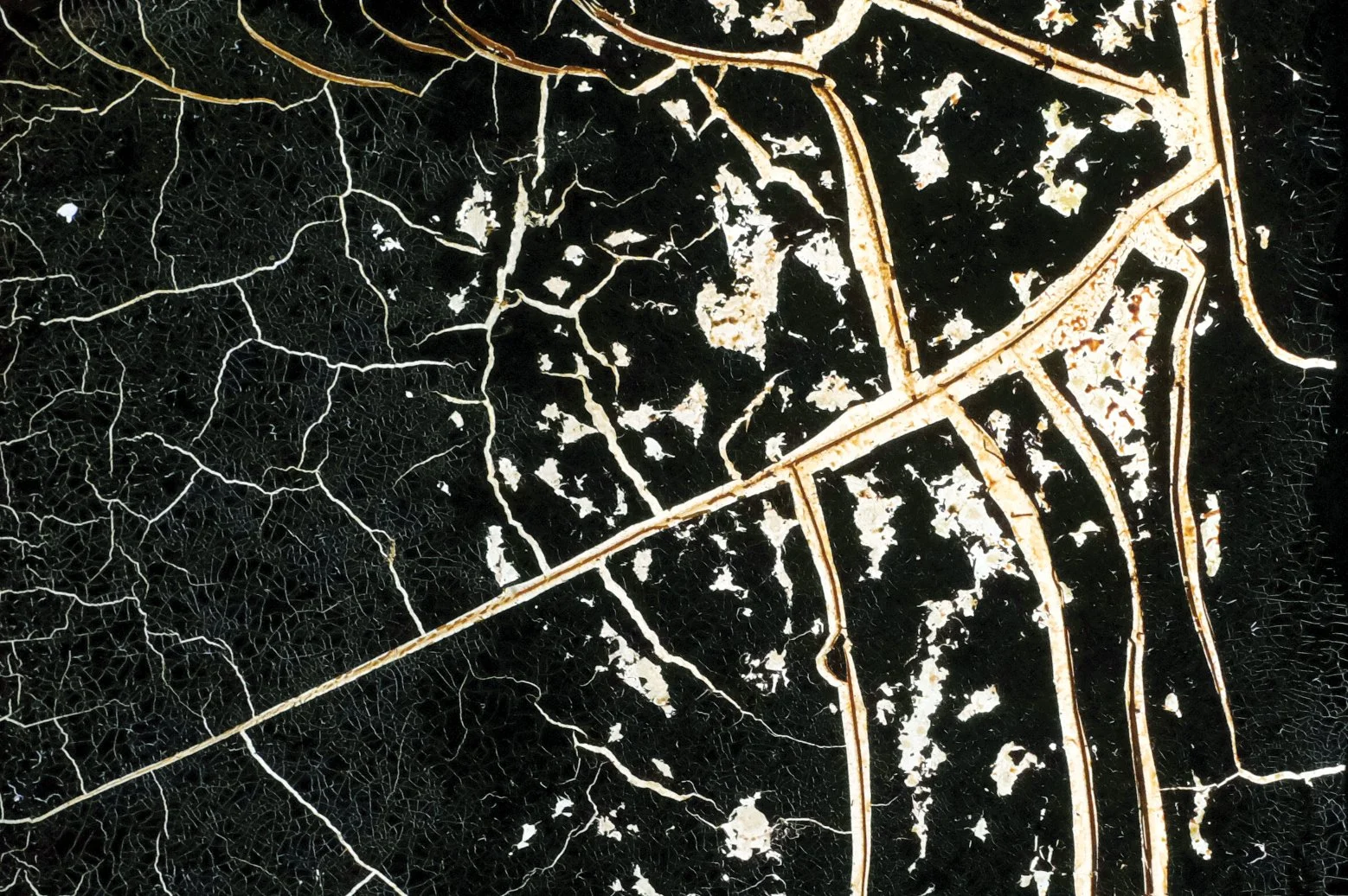
Seeing You Seeing is a collaborative project created through a six-year visual conversation between myself and British artist Jim Eyre. Our exchange began not in a studio but in the intimate space of our phones—a private call-and-response practice where we offered each other fragments of our daily lives: the mundane, the overlooked, the transitional. Over time, this quiet ritual became a way of seeing not just the world, but one another.
A Jungian reading might describe our process as a kind of transcendent third: an imaginative field that forms between two people when they meet each other’s perception with openness and curiosity. Rather than making images about us, we were creating images toward one another—each photograph a mirror, a response, a bridge. In watching how the other sees, we became more conscious of how we ourselves see. This reciprocal attention is the heart of the project.
Our phones acted as portals—small, illuminated thresholds that held the entire collaboration. The screen became a contemporary alchemical vessel, a place where unconscious motifs surfaced in the ordinary edges of our environments. When we moved from digital exchange to physical installation, it felt essential to echo this history. The images are printed on unframed glass and subtly lit from behind, recalling both the luminosity of the phone screen and the sense of holding a window onto someone else’s inner world.
Glass carries its own psychological resonance: it is clear yet reflective, solid yet fragile, a boundary that reveals as much as it separates. Installed outdoors, the works exist in conversation with their surroundings—catching shadows, reflecting movement, shifting with weather and time of day. The environment becomes part of the image, just as the relationship became part of the work. This permeability mirrors the way the collaboration functioned: each of us altered by the other’s vision, each image subtly shaped by the one before it.
What emerges is neither his vision nor mine alone, but a shared perceptual field—a layered record of two artists seeing each other seeing. The work invites viewers into that same consciousness, asking them to stand at the threshold between looking and being looked back at, between the visible world and the inner one.